NEWS
How Much Horsepower Does a Farm Tractor Really Need?
Press Release
Farm tractor horsepower selection should be approached as an integrated engineering assessment rather than a simple comparison of engine ratings. Proper evaluation of tractor power ensures that tractor horsepower is effectively aligned with implement load, soil resistance, and drivetrain capacity for real agricultural performance. Real-world field performance is determined by how effectively engine output is transferred through the transmission system and supported by chassis strength to overcome implement load and soil resistance. When this balance is not achieved, machines either operate underpowered or consume excess fuel while placing avoidable strain on mechanical components.
With modern agriculture emphasizing mechanization depth and operational precision, demand is expanding at both ends of the power spectrum — from efficient high-horsepower units to adaptable mid-range tractors. Despite this shift, one technical principle remains constant:
The value of a tractor's power lies in how efficiently it is converted into productive ground work, not in the engine’s maximum rating alone.
This guide explains how to determine the right horsepower based on real agricultural working conditions and how OXPLO's tractor platforms are engineered for balanced power utilization.
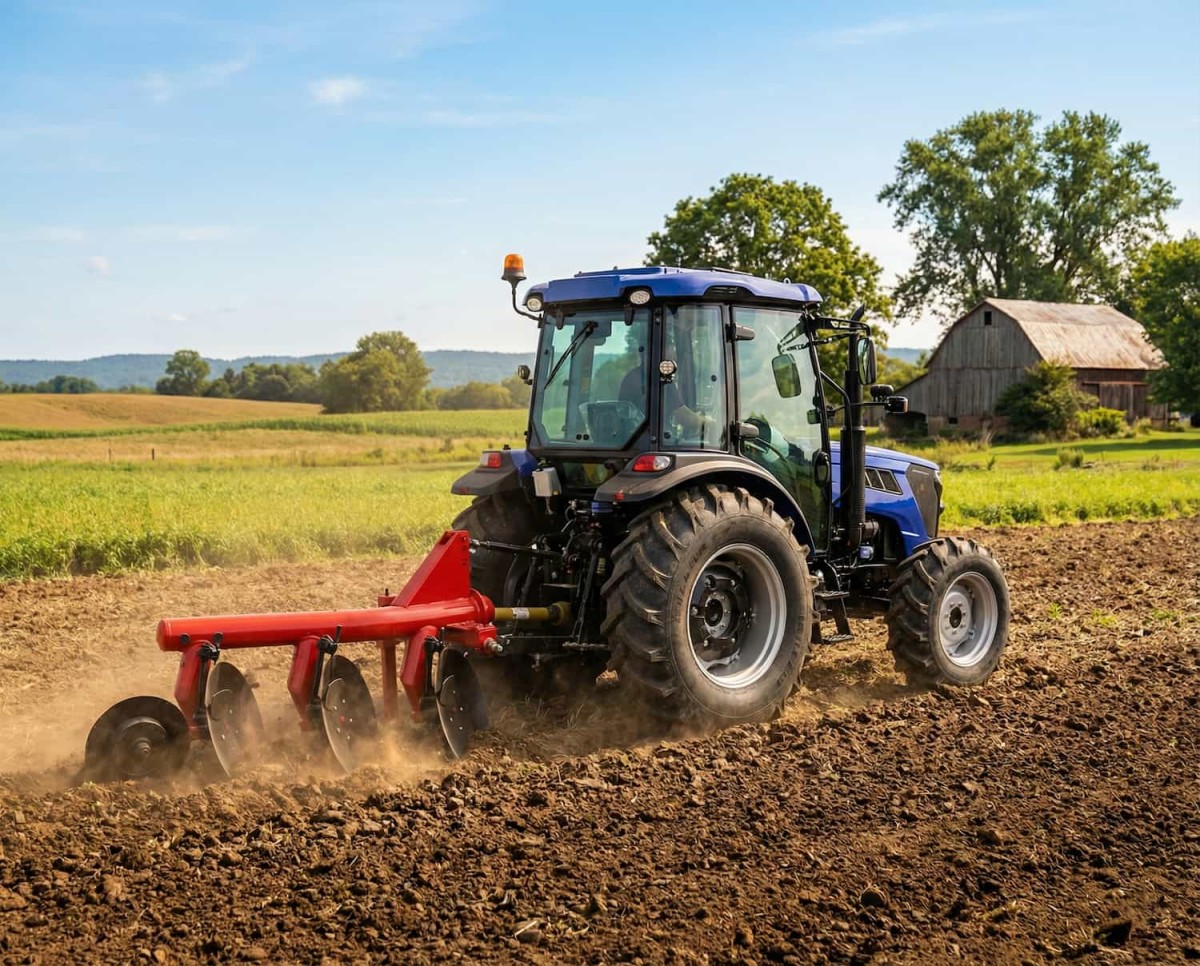
What Determines Farm Tractor Horsepower Requirements?
Tractor power requirements are influenced by three primary engineering factors.
1. Operating Scale and Work Intensity
Farm size affects implement width, working hours, and load continuity.
Small farms often need flexibility and maneuverability
Large operations require sustained performance under heavy load
Continuous high-load tasks demand not only higher horsepower but also stronger cooling systems, durable transmissions, and rigid chassis structures.
2. Implement Draft Load and PTO Demand
Different agricultural tasks generate distinct types of power demand.
Heavy soil engagement relies more on torque stability than peak horsepower. Engines with strong low-speed torque curves often outperform higher-HP engines with weaker torque delivery.
3. Terrain and Soil Conditions
Soil composition and topography significantly affect effective horsepower demand.
Loose soils → lower resistance
Clay or wet soils → higher traction and torque demand
Slopes → added grade resistance
In these cases, traction efficiency and weight distribution become as important as engine output.
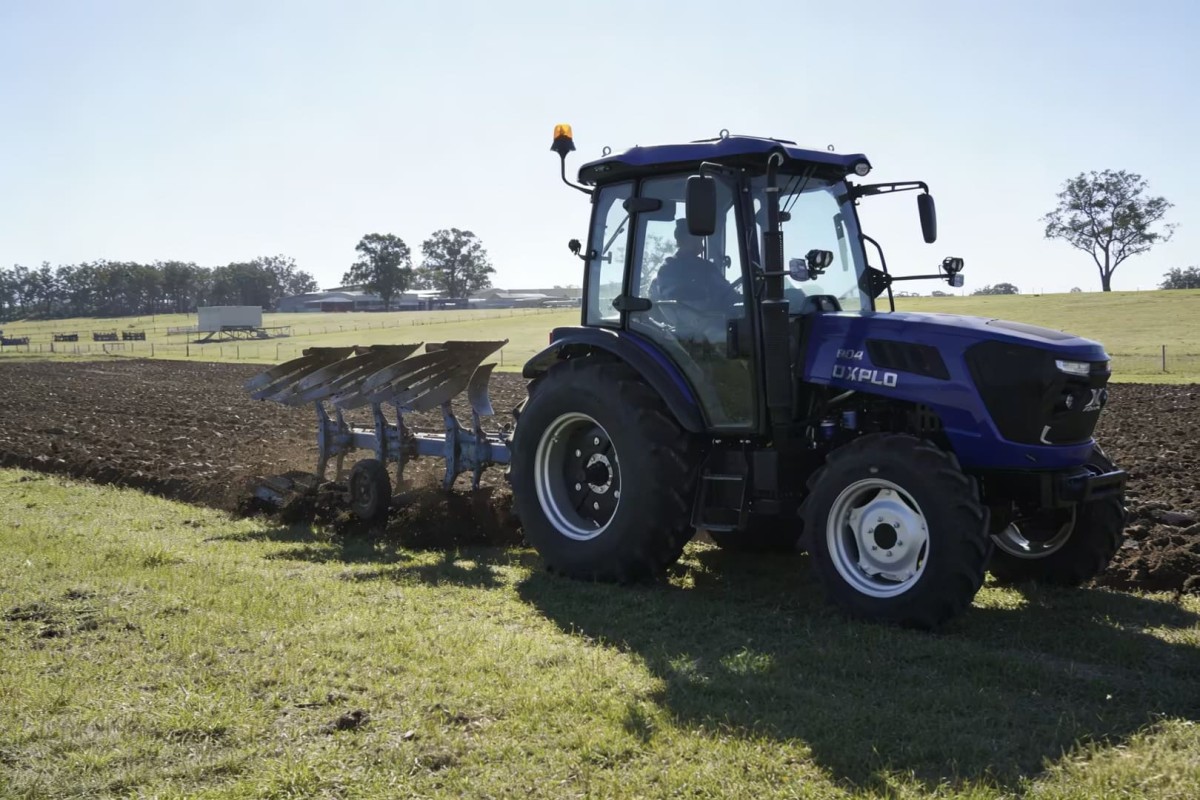
Engineering-Based Chassis and Horsepower Allocation
In practical tractor design, horsepower must be evaluated together with chassis load capacity and the type of field stress the machine is expected to withstand. Different structural platforms are developed to manage varying levels of draft force, traction demand, and continuous workload. The following classification reflects typical engineering matching principles rather than simple power segmentation.
Rather than treating horsepower as an isolated engine figure, this allocation method links power output with structural endurance and traction efficiency. When the chassis, drivetrain, and engine are proportionally matched, more of the rated horsepower is translated into effective drawbar force instead of being lost through mechanical strain or slippage.
Typical Horsepower Ranges by Agricultural Application
While conditions vary, the following general guidelines apply:
The 50–90 HP range is widely used due to its balance of versatility and fuel efficiency.
Common Horsepower Selection Mistakes
Oversizing
Running high-horsepower tractors at low load reduces combustion efficiency and increases fuel cost.
Undersizing
Operating below required power leads to overheating, excessive wear, and reduced equipment lifespan.
Ignoring System Matching
Engine output must align with transmission capacity, axle strength, and chassis durability.
OXPLO's Engineering Approach to Power Matching
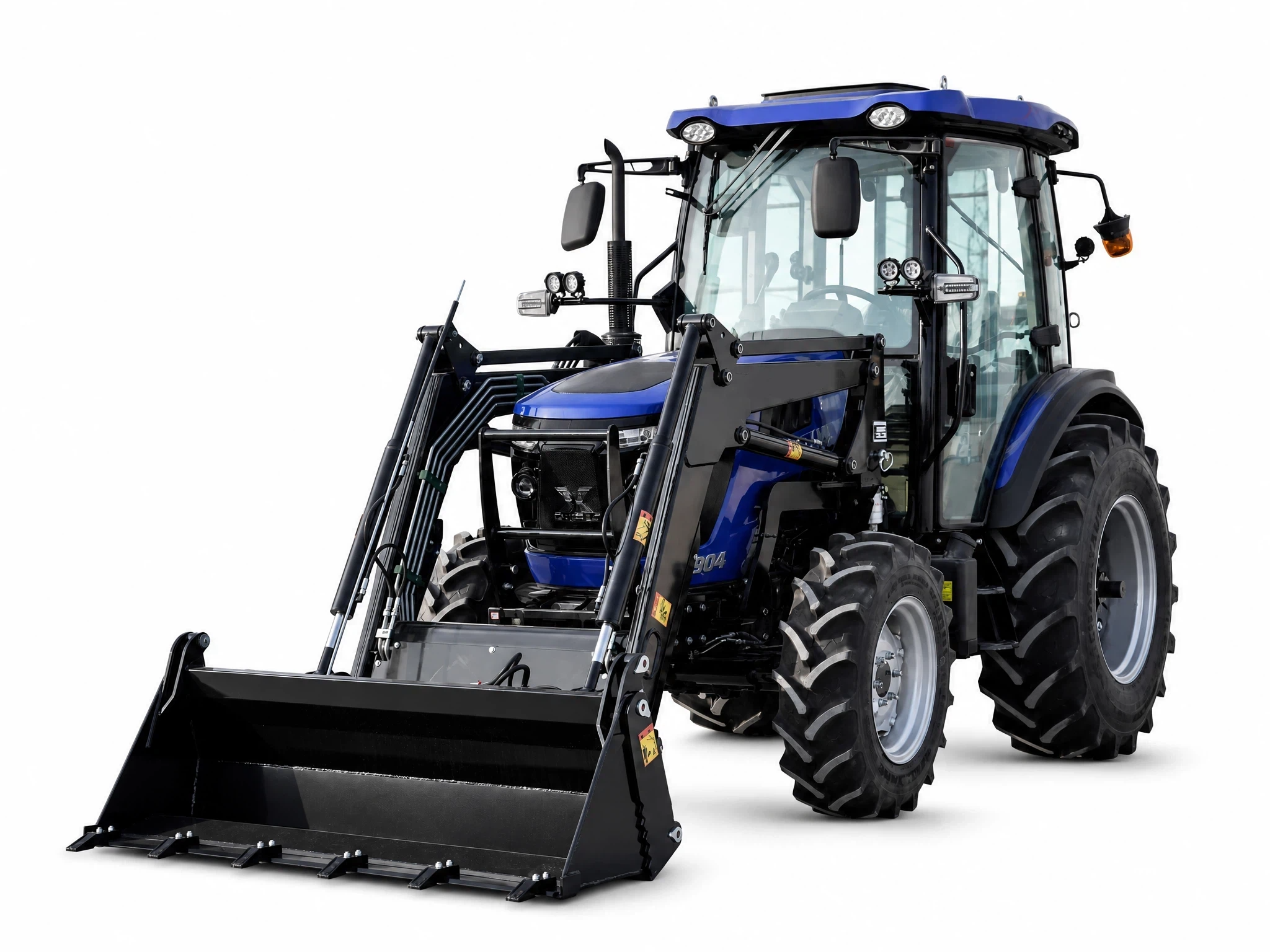
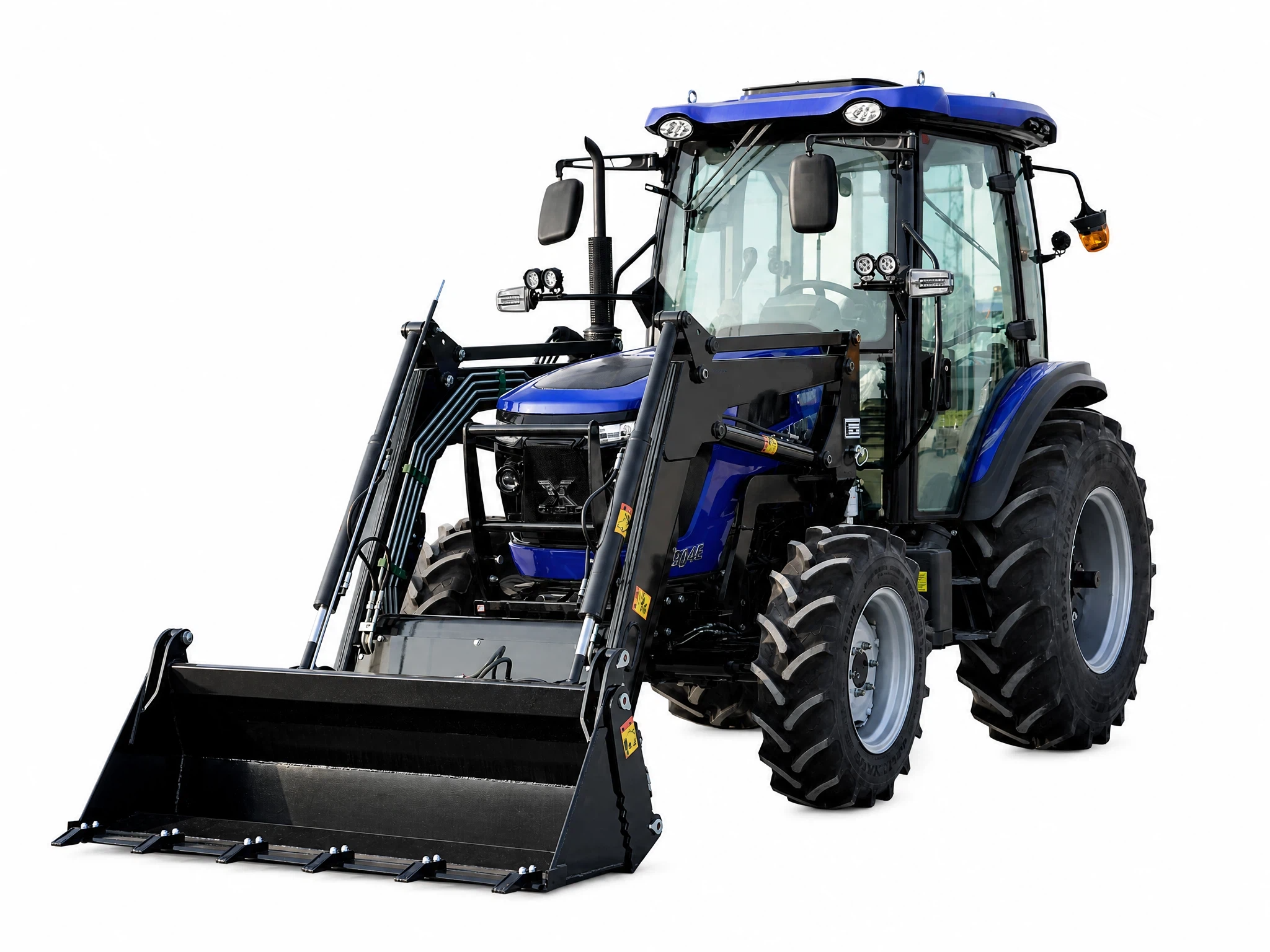
OXPLO tractorsare developed using integrated powertrain engineering. Engine output, gear ratios, cooling systems, and chassis structures are matched as a unified system to ensure:
Stable torque delivery under load
Efficient fuel utilization
Reduced drivetrain stress
Reliable long-term operation
This approach ensures horsepower is transformed into effective field productivity rather than theoretical engine output.
Conclusion
Determining appropriate tractor horsepower requires evaluating how field resistance, implement load, and operating duration interact with the machine’s structural and drivetrain capacity. Power selection is ultimately a matter of energy utilization efficiency rather than maximum engine rating. Overspecified tractors often operate below their optimal load range, while underspecified machines experience continuous stress that accelerates mechanical fatigue.
From an engineering perspective, productivity is achieved when engine output, traction capability, transmission capacity, and chassis strength function as a coordinated system. Under these conditions, available horsepower is converted into effective ground force with minimal loss.
OXPLO’s tractor platforms are developed following this system-integration approach, ensuring that power delivery, structural durability, and operational stability remain aligned across varying agricultural environments.
Enquiry
Our manager will contact you within 30 minutes of working hours.
Related products
 OX1004 100HP Tractor with Front-End Loader100HP tractor with front-end loader for Australian farms. OXPLO OX1004 offers 4WD power, reliable performance and versatile applications. Get a quote today.
 OX804 80HP Tractor AustraliaThe OXPLO OX804 is an 80HP (58.8 kW) 4WD tractor for Australia, powered by a Yunnei YN38GBZ diesel engine. It features three sets of hydraulic outlets and Cat II three-point linkage, making it suitable for general farm and property work with compatible implements.
 OX704 70HP Tractor AustraliaThe OXPLO OX704 is a 70HP tractor Australia solution featuring a 4WD system, Yunnei YN4102GB engine, 12F+12R transmission and 540/1000 PTO. Designed for Australian medium-sized farms, it delivers reliable performance for deep tillage, transport and daily agricultural tasks. Contact OXPLO Australia for pricing and configuration options.
 OX504 50HP Tractor AustraliaThe OXPLO OX504 is a 50HP 4WD tractor designed for Australian farms, acreage properties and general agricultural work. It features a 36.8 kW diesel engine, 8F+8R transmission, full hydraulic steering, 540/1000 rpm PTO and Category I three-point linkage for operating a range of compatible implements.